
Overcoming a Fear of Dogs

underdog to wonderdog

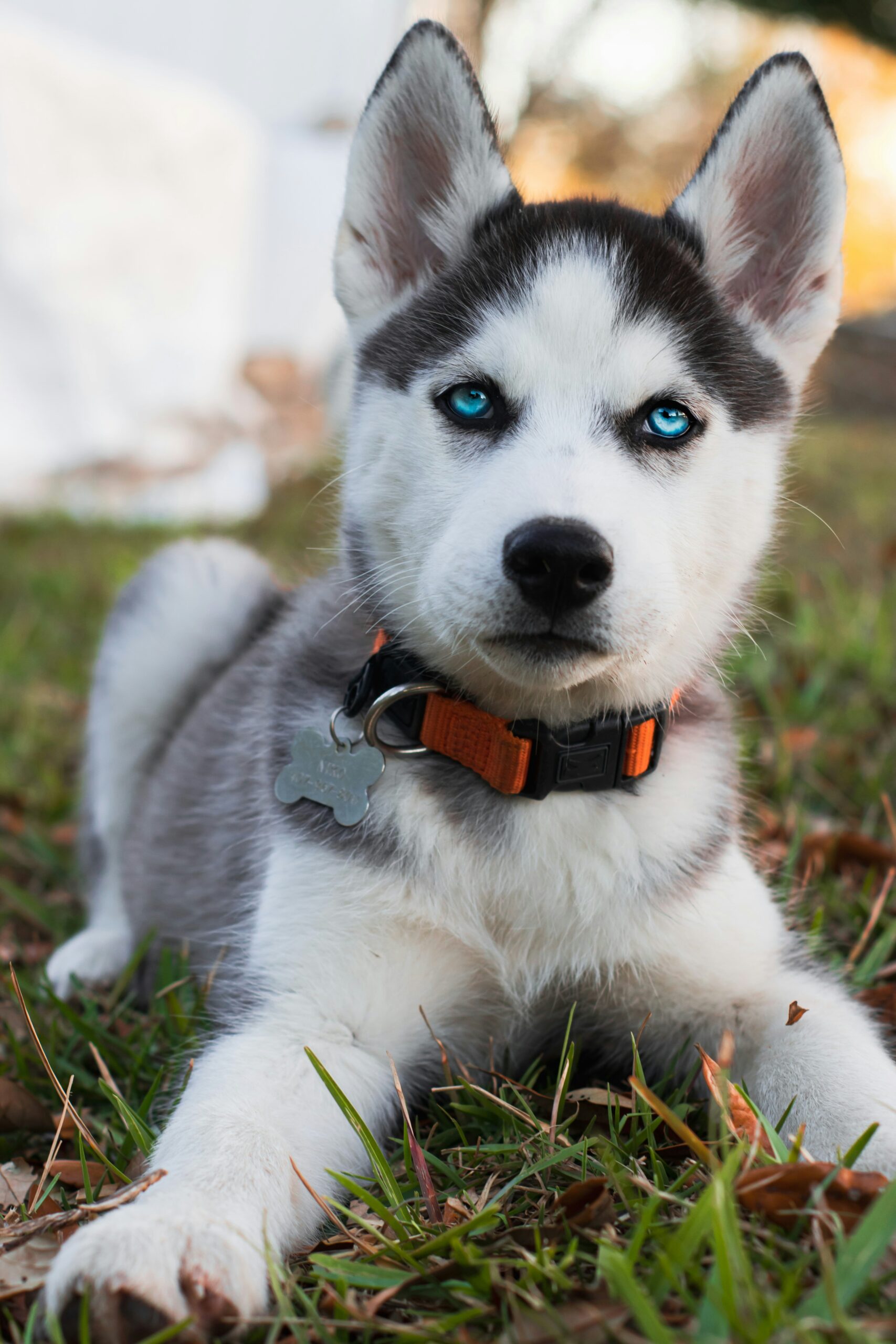
So many of us consider dogs to be one of our best friends we could hope for. They bring endless joy and fun into our lives in so many ways. Moments of exuberant play are balanced with the calm of your dog resting his or her head on your lap, assuring you that there is no place your dog would rather be than with you. No wonder thirty-nine percent of U.S. households share their lives with at least one dog and there are approximately 77.5 million canine companions in the United States, according to the 2009-2010 American Pet Products Association National Pet Owner Survey. Yet, for as grateful as so many of us are for the mutually rewarding relationship we have with our dogs, there are many who suffer from an extreme fear of dogs, which is called cynophobia and is often caused by a traumatic encounter with a dog.

Dog and Cat Obesity: As Seen on The Today Show

Dog and Cat Obesity: As Seen on The Today Show

American men and women are experiencing an obesity problem and their dogs and cats are, unfortunately, following their lead. According to the AVMA approximately 25% of pets are overweight. This is due to three main problems. Firstly, people tend to be less active, spending more and more time in front of the TV and their computers which means their companions have far fewer opportunities to be active. Since so many people tend to work long hours leaving their pets at home alone one of the ways people alleviate their guilt is by indulging their pets with too much food. Also, animal lovers seem to have misconceptions about what is a healthy physique for their pets. Some breeds are particularly prone to obesity. These include Labrador Retrievers, Beagles, Pugs, Cocker Spaniels, Shih Tzus and Dachshunds. Unfortunately, some of these breeds are already susceptible to serious health problems such as hip displaysia,.

Puppy Parenting Frustrations

IMG_9227

In the almost 18 years I have been training dogs professionally, I have seen a dramatic increase in the percentage of people who contact a training school who have a puppy (or better yet, prior to getting their pup) to focus primarily on preventative training as opposed to those with an adolescent or adult dog with potentially deeply ingrained behavior issues. This is a very good thing and due in great part to the efforts of people like Dr. Ian Dunbar and Dr. R.K. Anderson who have focused much effort on helping people understand the importance of early, preventative teaching to best ensure a long and happy life for a dog in one loving home (as opposed to a dog being surrendered to a shelter due to easily preventable behavior issues). Raising a puppy can be a truly wonderful experience filled with all the fun one could expect from a.

The Honeymoon Period with a Your New Dog

bigstock_ACS_angel_715364

We have all heard the term ‘The Honeymoon Period’ used to describe the first, deliriously happy months of a relationship. Everyone is on their best behavior and feeling giddy and optimistic about the future. Unfortunately, this time of what seems to be limitless joy usually comes to an end. A similar, albeit usually much shorter, honeymoon period is often experienced by new pet parents. Although, unlike people in a new relationship, I don’t think the dog or puppy is on it’s best behavior with the understanding that they are about to start a new, hopefully long term relationship. Instead, many dogs are in a state of severe adjustment to what is a whole new world. A new environment, sights, sounds, people and possibly other animals can result in a dog sort of shutting down a bit (or a lot!) as they absorb all of this new information and try to.

Puppy Mill Puppies

bigstock_Papillon_Puppies_12266918

I had a dog training lesson recently with a family that purchased their 5 month-old Havanese puppy from a pet store in New York City. They have had the pup for a few weeks and during that time have dealt with what seems to be more than their share of puppy issues. This little pup is consistently urinating and defecating in it’s sleeping area, is eating it’s feces, and is terrified of everyone, including it’s own family. Watching this scared little pup trying to hide behind the furniture so it wouldn’t be seen, let alone touched, made me feel heartbroken for her and for her family. The family purchased the pup from a pet store in NYC. They admitted they knew it was not a good idea to buy a dog from a pet store. But, like so many people do, they entered the store after seeing her curled in.

How to Choose a Puppy

Anchor

A few years ago, a friend of mine who is a well-known animal photographer asked me to assist her with handling dogs on a shoot she was doing for a pet food company. The photos were to be used for the packaging and advertisements for this new brand. Throughout the two days of shooting we had a stream of dogs coming and going, each one as deliciously cute as the previous and next. By midway through the first day, I expressed my concern about how they could possibly choose amongst them. My friend explained that the company had a specific vision for what they were looking for and had actually spent many months making lists of their criteria for the best spokesdog partner for the brand. Taking photos of numerous dogs allowed them to ‘test-drive’ many options in order to make their final choice. Being that I was helping to.

Spot the Difference: Front Clip Versus Back Clip Harnesses

Spot the Difference: Front Clip Versus Back Clip Harnesses

Teaching a dog to walk nicely on leash is, in theory anyway, a fairly easy task. It comes down to teaching the dog to enjoy following you and to consider it more rewarding than other endeavors, such as pulling ahead or lagging behind. The hard part of teaching your dog to walk nicely on leash comes down to the fact that this potentially enjoyable endeavor happens outdoors where your dog is exposed to an almost endless list of distractions. Furthermore, most dogs see their daily walks as some of the most thrilling moments of the day. So, distractions added with a high level of stimulation equals a dog who is probably not in the ideal canine student mindset. Setting aside the fact that as many brief (3-5 minute) training sessions indoors throughout the week as possible will bode well for your dog and you becoming pleasant walking partners for many.

How to Become a Professional Dog Trainer

DSC_0081

I named the voice in my car’s GPS system Martin. I thought it was a suitably proper, British name for a voice that sounds remarkably real for being computer generated. At times, Martin provides me with a bit of amusement, such as when he says “At the roundabout, take the first right hand turning,” or “If possible, make a u-turn.” Oh Martin, you are so polite. If I was the voice in my car I might be tempted to say “You missed the turn! Turn around, go back and follow my instructions.” Luckily, I have far more skill and patience when teaching dogs and their people than when trying to navigate somewhere in my car. Martin and I have had a generally good relationship. Although, not so much when I am lost and feel he isn’t doing his part to get me on the right track. In the last year.

What is a Working Dog?

Doberman Pinscher

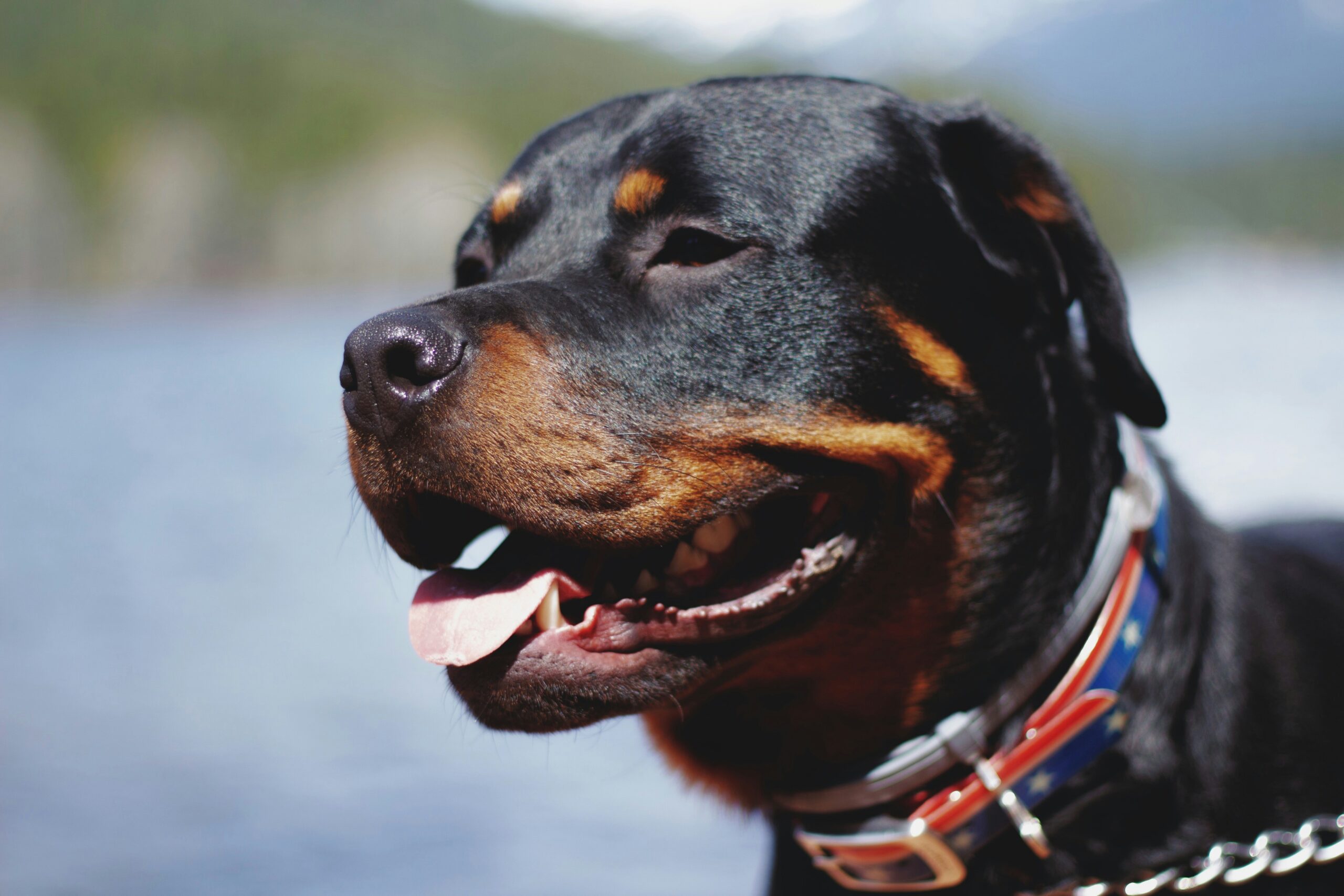
Anyone who is passionate about helping dogs live long, happy and healthy lives would say that all dogs should have some sort of job. Giving a dog a job they enjoy can help to prevent an almost endless list of potential behavior issues (such as excessive barking, inappropriate chewing and digging, separation problems, and more). It can also help them maintain overall physical wellness. So, by this definition, all dogs are, or at least should be, working dogs. But, there is also a grouping of pure bred dogs that are categorized by kennel clubs as working dogs due to the fact that they were developed to have the physical and mental ability to help people in a myriad of tasks, including: guarding, pulling carts or sleds, performing water or land rescues, and assisting the police and military. In addition to being wonderful companions, these types of dogs have been invaluable.

Dogs and Doorway Etiquette

Dogs and Doorway Etiquette

Today I made a quick trip across the street to get a delicious cafe con leche from Despana, the lovely little shop with delicacies from Spain. As I went up the two steps to enter a gentleman was on his way out with his hands full, a tray of coffees in one hand and a bag in the other. I pushed the door in and prepared to step aside and hold it open for him to pass. But, before I knew it he had placed his purchases on the table next to the door and was holding the door for me! My surprised words of thanks were followed by a gracious response in Spanish from the man. I had come across a true gentleman from Spain! This simple gesture of doorway etiquette has carried me through the day with a little smile on my face. Clearly, such a small act.